One buyer really likes the shade, yet following several hours of wear the cap starts to feel uncomfortable. Another appreciates the natural-looking hairline but doesn’t want to spend twenty minutes adjusting the lace every morning. A third customer chooses an attractive wig and discovers that its density creates a heavier feel than expected.
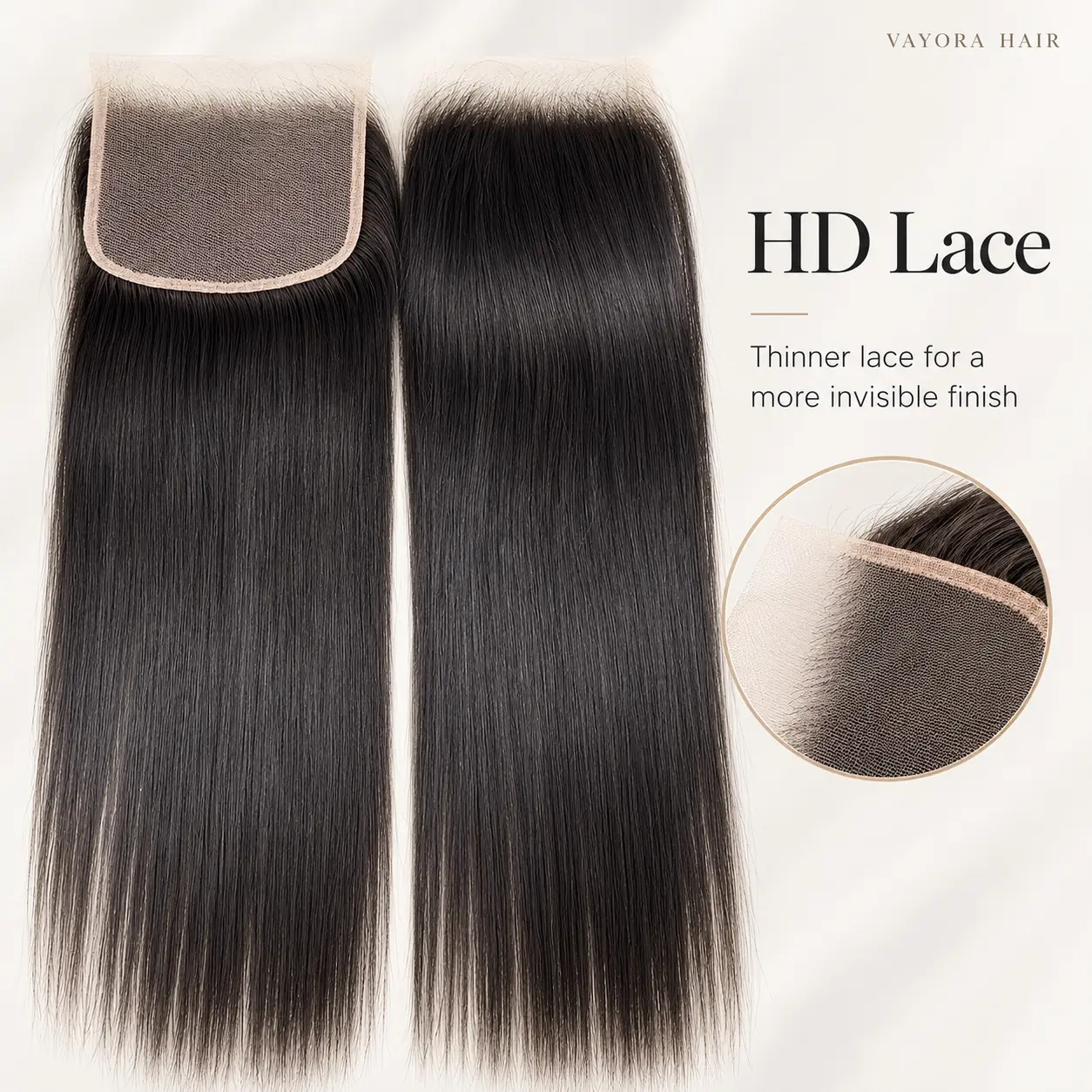
Image credit: vayorahair.com
A wig brand can view such observations as more than customer opinions. The opportunity is to turn these insights into products that people really want to wear.
Successful wig collections aren’t necessarily built around the latest viral hairstyle. They’re built around understanding what customers want to experience when they put a wig on.
Look Beyond the Order
Customers rarely describe their needs using manufacturing terminology. Comfort during wear, how convenient it is to use, how it looks and how confident the wearer feels are what customers discuss. A glueless design could be one response to feedback about reducing the effort of the morning routine. If customers say the hairline looks unnatural, the team may need to review knot treatment and the look of the lace, along with the density or design of the part.
A human hair wig manufacturer China brands work with should be able to translate these everyday concerns into measurable product specifications.
A request for a 22-inch body-wave wig can go beyond the basic style description: buyers can specify the desired wearing experience, cap fit, lace construction, hairline appearance, and finished weight. With that information, developers can work toward a better-defined goal.
Make Your Private Label Collection Recognizable
Current trends often become the entire basis for a developing wig brand’s catalog, which can be a strategic misstep. The result can be a collection that looks remarkably similar to competing stores.
Working with a private label wig manufacturer China retailers can collaborate with allows brands to develop a more consistent product identity. Possible directions include lightweight wigs for daily wear, a premium collection with natural-looking hairlines, or ready-to-wear units for buyers who want minimal preparation. To keep the collection unified, align texture, length, color, density, cap construction, and packaging with one customer promise. Rather than relying solely on short-term discounts, a recognizable collection offers shoppers another reason to come back.
Glueless Wigs Require More Than a Label
The straightforward label “glueless” does not capture the structural features that determine the wearing experience. A fit that feels comfortable and secure depends on cap sizing, adjustment features, attachment components, lace preparation, and hairline design.
Before production starts, the glueless wig manufacturer China buyers select should help define these design requirements. For example, a brand targeting first-time wig wearers may prioritize manageable density, pre-cut lace, and straightforward adjustment features. The customization needs for a professional stylist’s collection may be different. One approach is not inherently superior than the other. Each is intended for a different customer.
Sample Review and Brand Reputation
A picture of a wig cannot reveal all the characteristics of the wig. Evaluating the unit means looking at the fit of the cap, hair movement, color accuracy relative to expectations, and whether the final construction follows the approved design. Before a larger purchase is placed, sampling can help reveal discrepancies.
For a wholesale human hair wigs supplier, documented specifications and quality-control procedures are especially important when the same style must be produced repeatedly. The success of the first batch may be challenging to replicate without clear points of reference.
Build a Wig Collection With Room to Grow
For B2B wig brands, retailers, and distributors, VAYORA provides support across product development, private label services, sampling, specification control, and repeat-production workflows. The focus is on linking what wearers expect with the construction details responsible for how the wig looks, fits, and feels.
Before expanding a catalog, brands should examine customer feedback, identify their strongest product opportunities, and establish clear approval standards. The next successful collection may not require more styles. It may require fewer compromises in the styles customers already want.