A friend tells you about the price of a cryptocurrency that has doubled. You create an account on a cryptocurrency exchange, watch some videos and suddenly feel ready to invest. The issue is that you’re not aware of the technology. You may be able to comprehend the price fluctuation but don’t understand what you’re paying for or how it works or what happens in the event that something goes wrong.
The learning process of cryptocurrency needs to be completed prior the time any funds are invested. The Coin Course has educational resources on the basics of blockchain. These topics are best taught by doing it in a way that is practical for beginners.
Begin by making the transaction, not the price chart
A great crypto tutorial will provide an explanation of what cryptocurrency is. Bitcoin is a good example. It allows money to be transferred across the network without needing a bank to keep track of transactions. Ethereum is compatible with digital assets as well as applications that utilize programmable smart contracts.
The technology isn’t easy to grasp by watching its price on the market. Find out how wallet addresses are made and how they are verified through the network and what cryptocurrency differs from funds stored in traditional bank accounts. These basics can aid you in understanding the potential and limitations associated with digital assets.
You can follow a single transaction through the blockchain
It’s easier to grasp technical concepts when they are tied to an activity you already know about. Imagine transferring cryptocurrency from your wallet to someone else. Your wallet will create a new transaction, which is then authorised by your private key. The transaction gets sent to the network for verification and is then checked against the rules. It is then added to the Blockchain.
This method can be demonstrated by a hands-on blockchain tutorial, using the block-explorer which lets users look up transaction details and verify status.
This exercise also provides an crucial lesson about security Blockchain transactions are typically not affected by the sender entered an incorrect address. Understanding wallet mechanics can simplify its utilize.
Learn how to protect your assets prior to exploring DeFi
Beginners tend to focus on making money, yet neglect basic wallet security. Private keys provide access to your cryptocurrency. A recovery phrase permits users to re-open a compatible wallet, and even access the assets of your wallet.
If you are a part of this group, your holdings may be in danger. The best blockchain guides will explain the distinctions between custodial swaps, software wallets, and hardware wallets.
They should also cover scams, suspicious wallet connections, and the risks of approving smart contract permissions without understanding their. These lessons are particularly important in the exploration of digital financial services that are decentralized. The users interact directly with each other and do not rely on traditional intermediaries.
Understanding Crypto Trading without confusion Activity with Progress
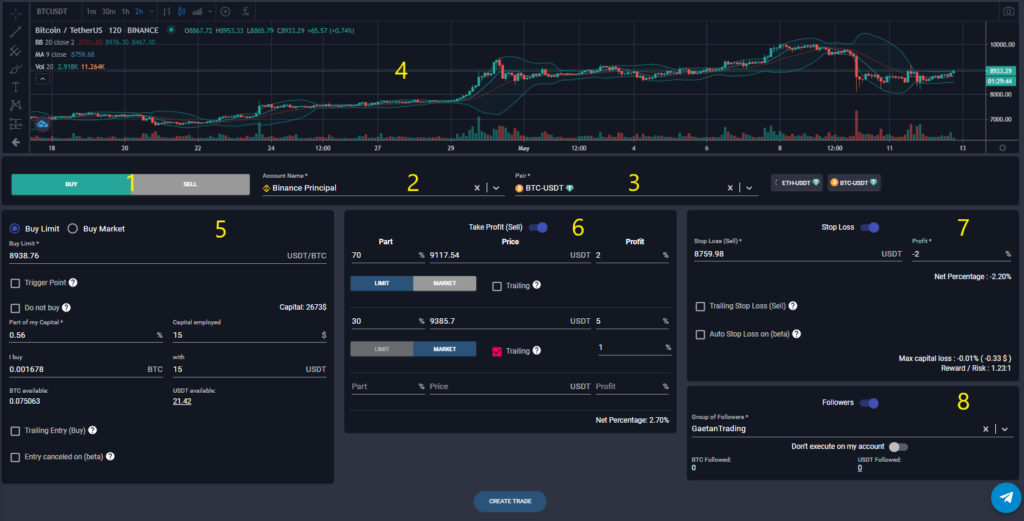
People who want to learn crypto trading often begin with candlestick patterns and technical indicators. They have their place but do not substitute for understanding risk. It is important to consider your risk tolerance prior to deciding to invest.
A limit order allows you to specify a specific price but allows for instant execution. Leverage is a risky strategy since even minor price changes can lead to substantial losses.
For beginners, it is possible to get some experience in analyzing the markets and making hypothetical trades, before they commit real funds. Journals of trading also identify whether or otherwise decisions are based on a reliable strategy or a reaction to fear and excitement.
Explore the more complex topics and answer better Questions
Once the basic concepts have been clarified, issues such as DeFi and NFTs are easier to analyze. Examine where the yield comes from and the risk users are willing to accept, instead of just asking how much a platform that uses DeFi could be willing to be willing to.
When analysing NFTs It is important to distinguish ownership of a token from the ownership of the original artwork or intellectual property rights.
To be able to stake, know whether rewards compensate participants for helping secure a network or arise from a different financial arrangement. The Coin Course combines these topics with a broader cryptocurrency experience to aid readers in gaining knowledge across a variety of areas.
Develop knowledge that lasts longer than market trends
Prices for cryptocurrency fluctuate constantly however, the basic knowledge of cryptocurrency is important. Understanding blockchain transactions and wallet security, as well as the mechanics of trading and decentralized apps will allow you to evaluate new ventures, without having to solely rely on promotional claims.
You don’t need to master everything at once. Begin with one idea and practice what you’ve learned, and proceed to more advanced topics when the basics make sense. It’s not about becoming an expert overnight. It is important to have enough knowledge of the cryptocurrency industry to be able ask better questions and identify the potential dangers.
DeFi Explained: What Happens When Financial Services Run on Smart Contracts?
A friend tells you about the price of a cryptocurrency that has doubled. You create an account on a cryptocurrency exchange, watch some videos and suddenly feel ready to invest. The issue is that you’re not aware of the technology. You may be able to comprehend the price fluctuation but don’t understand what you’re paying for or how it works or what happens in the event that something goes wrong.
The learning process of cryptocurrency needs to be completed prior the time any funds are invested. The Coin Course has educational resources on the basics of blockchain. These topics are best taught by doing it in a way that is practical for beginners.
Begin by making the transaction, not the price chart
A great crypto tutorial will provide an explanation of what cryptocurrency is. Bitcoin is a good example. It allows money to be transferred across the network without needing a bank to keep track of transactions. Ethereum is compatible with digital assets as well as applications that utilize programmable smart contracts.
The technology isn’t easy to grasp by watching its price on the market. Find out how wallet addresses are made and how they are verified through the network and what cryptocurrency differs from funds stored in traditional bank accounts. These basics can aid you in understanding the potential and limitations associated with digital assets.
You can follow a single transaction through the blockchain
It’s easier to grasp technical concepts when they are tied to an activity you already know about. Imagine transferring cryptocurrency from your wallet to someone else. Your wallet will create a new transaction, which is then authorised by your private key. The transaction gets sent to the network for verification and is then checked against the rules. It is then added to the Blockchain.
This method can be demonstrated by a hands-on blockchain tutorial, using the block-explorer which lets users look up transaction details and verify status.
This exercise also provides an crucial lesson about security Blockchain transactions are typically not affected by the sender entered an incorrect address. Understanding wallet mechanics can simplify its utilize.
Learn how to protect your assets prior to exploring DeFi
Beginners tend to focus on making money, yet neglect basic wallet security. Private keys provide access to your cryptocurrency. A recovery phrase permits users to re-open a compatible wallet, and even access the assets of your wallet.
If you are a part of this group, your holdings may be in danger. The best blockchain guides will explain the distinctions between custodial swaps, software wallets, and hardware wallets.
They should also cover scams, suspicious wallet connections, and the risks of approving smart contract permissions without understanding their. These lessons are particularly important in the exploration of digital financial services that are decentralized. The users interact directly with each other and do not rely on traditional intermediaries.
Understanding Crypto Trading without confusion Activity with Progress
People who want to learn crypto trading often begin with candlestick patterns and technical indicators. They have their place but do not substitute for understanding risk. It is important to consider your risk tolerance prior to deciding to invest.
A limit order allows you to specify a specific price but allows for instant execution. Leverage is a risky strategy since even minor price changes can lead to substantial losses.
For beginners, it is possible to get some experience in analyzing the markets and making hypothetical trades, before they commit real funds. Journals of trading also identify whether or otherwise decisions are based on a reliable strategy or a reaction to fear and excitement.
Explore the more complex topics and answer better Questions
Once the basic concepts have been clarified, issues such as DeFi and NFTs are easier to analyze. Examine where the yield comes from and the risk users are willing to accept, instead of just asking how much a platform that uses DeFi could be willing to be willing to.
When analysing NFTs It is important to distinguish ownership of a token from the ownership of the original artwork or intellectual property rights.
To be able to stake, know whether rewards compensate participants for helping secure a network or arise from a different financial arrangement. The Coin Course combines these topics with a broader cryptocurrency experience to aid readers in gaining knowledge across a variety of areas.
Develop knowledge that lasts longer than market trends
Prices for cryptocurrency fluctuate constantly however, the basic knowledge of cryptocurrency is important. Understanding blockchain transactions and wallet security, as well as the mechanics of trading and decentralized apps will allow you to evaluate new ventures, without having to solely rely on promotional claims.
You don’t need to master everything at once. Begin with one idea and practice what you’ve learned, and proceed to more advanced topics when the basics make sense. It’s not about becoming an expert overnight. It is important to have enough knowledge of the cryptocurrency industry to be able ask better questions and identify the potential dangers.
Recent Posts
What Stablecoin Holders Should Know About Issuer-Level Restrictions
DeFi Explained: What Happens When Financial Services Run on Smart Contracts?
Hot Wallet or Cold Wallet? Choosing the Right Storage Method
Why Understanding Digital Assets Matters More Than Memorizing Coin Names
What International Crypto Companies Can Learn From Georgia’s VASP Market
Gallery