You might have wondered why a particular test was selected. Each takes photographs from the inside of the body. Why can’t they be interchangeable?
Diagnostic imaging today functions more like a toolbox. Each technology provides information in a unique way and the most appropriate technique depends on the part of the body as well as the question that is being addressed. At the Wolfsburg Diagnostic Center, several imaging techniques are offered so that exams can be customized to various diagnostic requirements.
MRI Examining the body, but without Ionizing radiation
Magnetic resonance imaging or MRI makes use of radiofrequency technology and magnetic fields rather than ionizing radiation to create detailed pictures. MRI is a method to view soft tissue, joints, organs as well as other internal structures. For instance the patient with a joint issue may require information that is not accessible from an X-ray.
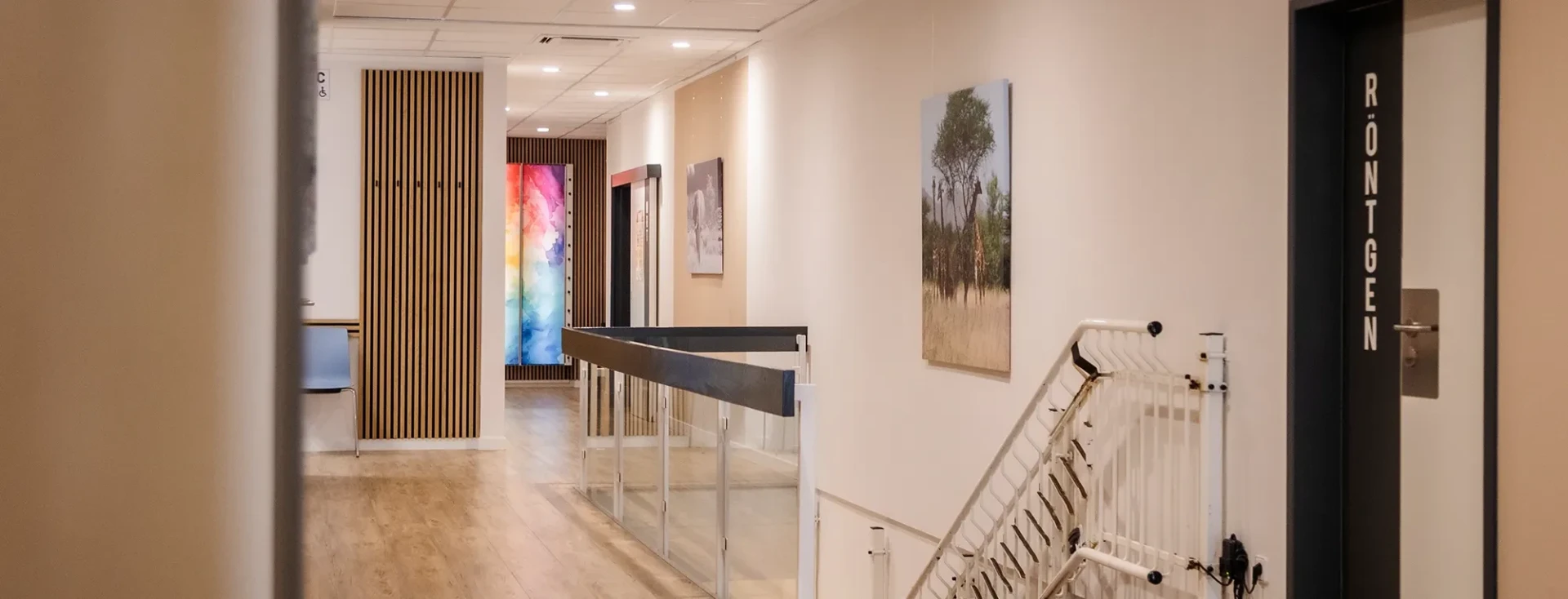
Image credit: diagnostikzentrum-wolfsburg.de
The Wolfsburg Diagnostic Center offers prostate imaging and whole body MRIs. These applications take advantage of MRI’s ability to provide detailed images without exposing the patient to radioactive ionization.
CT Creates Detailed Cross-Sectional Views
CT approaches imaging in a different way. CT imaging is produced by combining X-rays and computer processing. CT images are generated in slices instead of one image. This allows doctors to examine certain medical questions.
The center utilizes the latest low-dose CT technology, which is designed to decrease radiation exposure while still obtaining crucial diagnostic information. CT imaging can also assist in treatment. Periradicular Therapy, also referred to as PRT employs CT guidance to direct injections of nerve tissue that has been irritated.
The X-ray is still doing an important function
The use of conventional radiography isn’t a flimsy idea. Digital X-ray diagnostics is the most efficient and speedy method to acquire images, which can be useful for many kinds of tests. Modern digital systems also use less radiation than earlier techniques.
Sometimes, the most sophisticated test doesn’t always mean the most effective one. The most reliable method of diagnosis is selecting techniques according to the clinical issue not only the most modern equipment.
Breast Imaging has its own particular technology
Mammography is an imaging tool specifically designed for breast cancer. The Wolfsburg Diagnostic Center also provides 3D mammography (also known as tomosynthesis) in addition to conventional mammography. This technology creates multiple images that are transformed into a layer view of breast tissue. The specificity of the imaging process is that different body parts have different challenges to diagnose.
The old image could be changed to make the new image more effective
The current scan can provide information about the body today. Comparing an older scan to an upcoming one could be equally beneficial.
Medical professionals can assess the changes from the past when they have access to older images and medical results. This is far more accurate than interpreting the results of a recent examination only. It’s the reason patients are encouraged to bring their previous images and medical reports to appointments whenever feasible.
It is more beneficial for patients to be able to understand the technology when they can use it.
The Wolfsburg Diagnostic Center combines MRI and CT with digital radiographs, 3D mammography and image-guided treatments. The focus is on patient communication and organization. For additional information, click here CT Wolfsburg
Educational videos and patient explanations are available to help patients understand the medical procedure. The center also emphasizes the coordination of schedules and reduces waiting time. Modern diagnostic medicine relies on modern equipment, but scanning shouldn’t be felt like an unexplained technical procedure.
Knowing the reason for why a certain test was chosen and knowing what to expect can assist patients in becoming better informed and make advanced medical technology easier to comprehend.